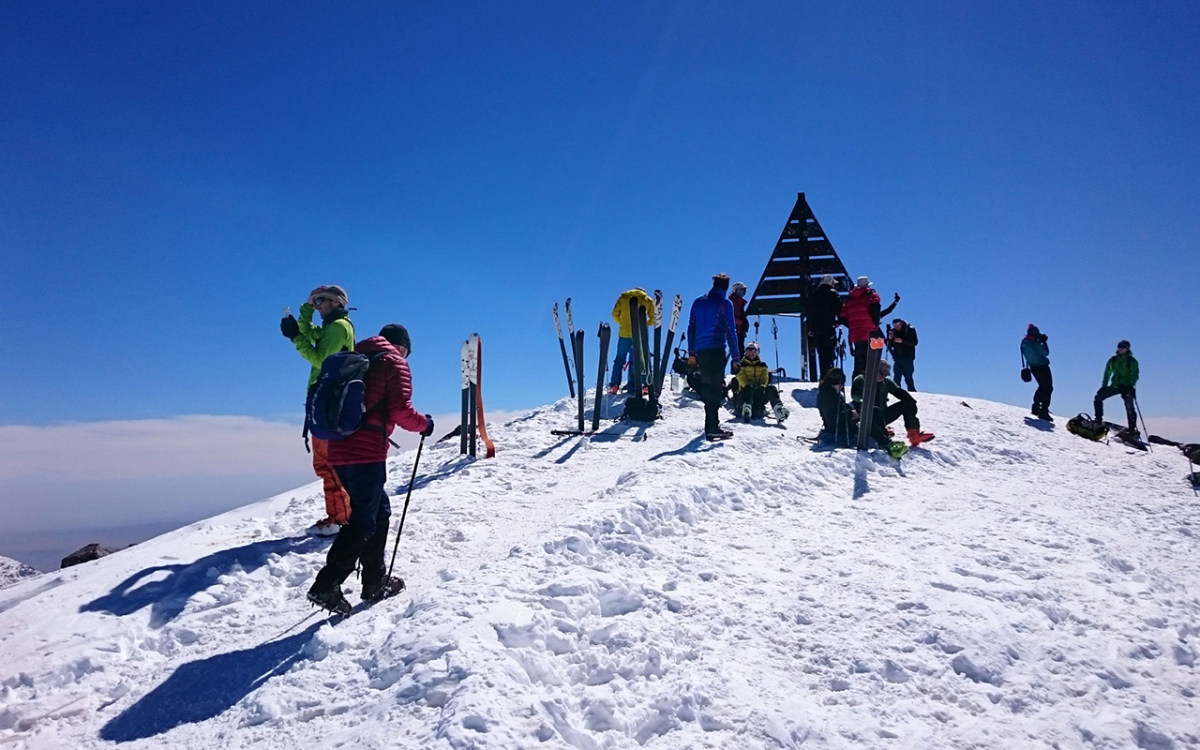
With Toubkal Expedition, a 4 days Morocco trek can feel like a whole season of travel compressed into one moving, breathing story. The country’s landscapes change quickly, and so do the rhythms of daily life, with a cool morning in the mountains, a warm afternoon in a red-earth village, a night of stars so sharp they seem close enough to touch. In four days you won’t see everything, and that’s exactly the point, as a trek is not a checklist, but a slow entry into Morocco’s textures, including stone underfoot, mint steam rising from small glasses, the call of a donkey somewhere down a terrace path, and the sudden quiet you only notice after you’ve been walking for hours.
4 Days Morocco Trek
Most 4 days Morocco treks begin with a transfer from a city such as Marrakesh to a trailhead in the High Atlas Mountains. The drive itself sets the stage. As the road climbs, the plain behind you fades into haze and the air becomes cleaner and cooler. Villages appear like stacked clay and stone, tucked into folds of the hills.
When you finally start walking, the first day of this 4 days Morocco trek often feels like an introduction to the terrain and to your own pace. The path may weave through walnut groves and along irrigation channels, where water runs in narrow, hand-built lines that have shaped these valleys for centuries. Even if you’re fit, the altitude and steady incline make you pay attention to your breathing. You learn to settle into a rhythm, with careful steps, breath, a sip of water, a glance up at a ridge line that looks both near and impossibly far.
By the afternoon of day one, the 4 days Morocco trek begins to offer its first reward, which is perspective. The valley opens, terraces fan out like green stitching on the mountains, and you start to recognize the landscape’s logic. Homes cluster where water and shelter meet, fields cling to slopes where soil has been patiently held in place.
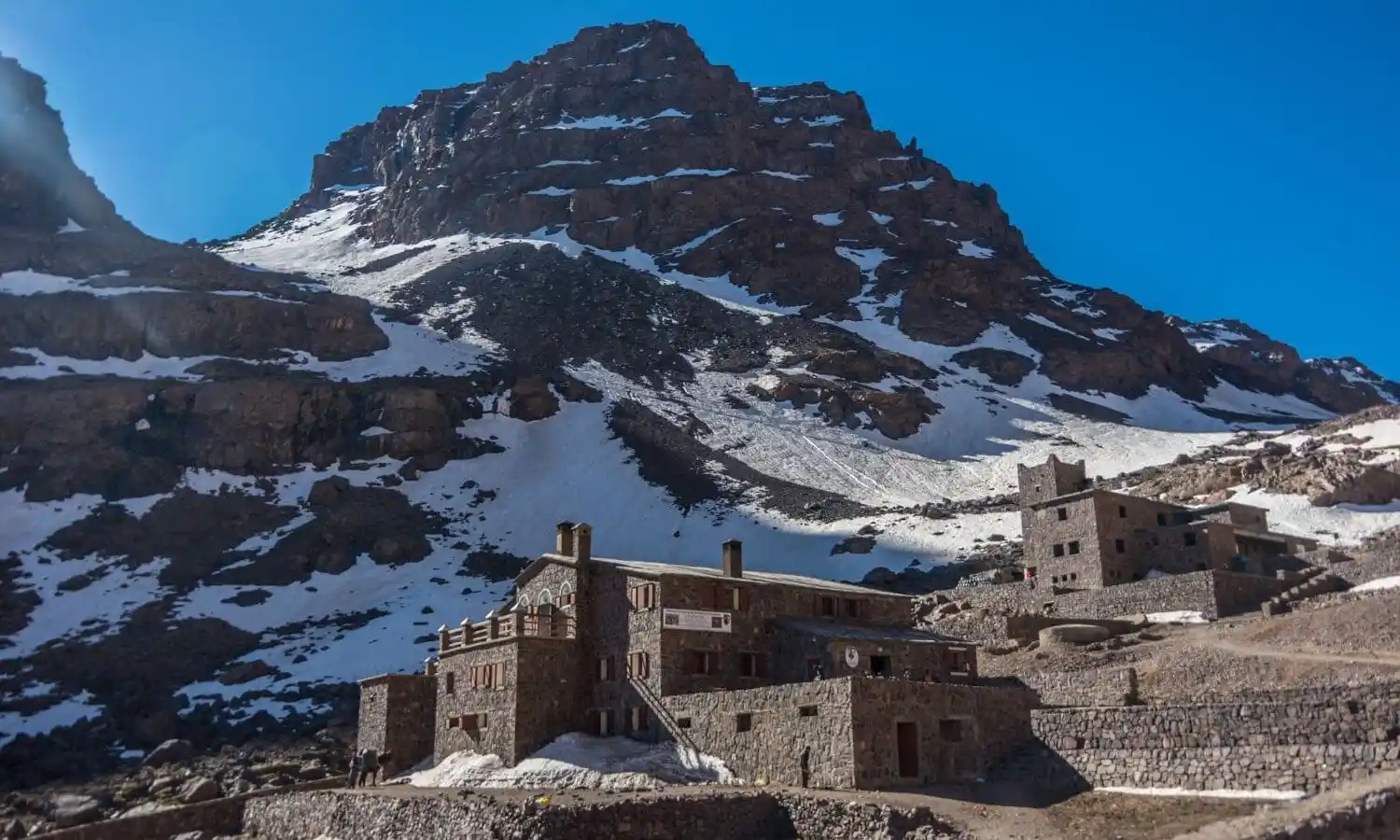
A traditional guesthouse or simple mountain lodge often becomes the anchor in the first night of this 4 days Morocco trek. Dusk comes quickly in the mountains. You may hear the last conversations of the day carried on the air, and then a hush as darkness gathers. Dinner tends to be hearty and straightforward, the kind of food that tastes better after walking, with bread, vegetables, lentils, maybe a tagine, perhaps fruit if it’s in season. The luxury is not on the menu but in the moment, sitting with tired legs and a calm mind.
Day two of this 4 days Morocco trek is usually the journey’s heart. It is when the adventure turns from pleasant walking into something that feels earned. Routes often involve crossing a high pass, and the morning can be crisp enough to make you grateful for a jacket.
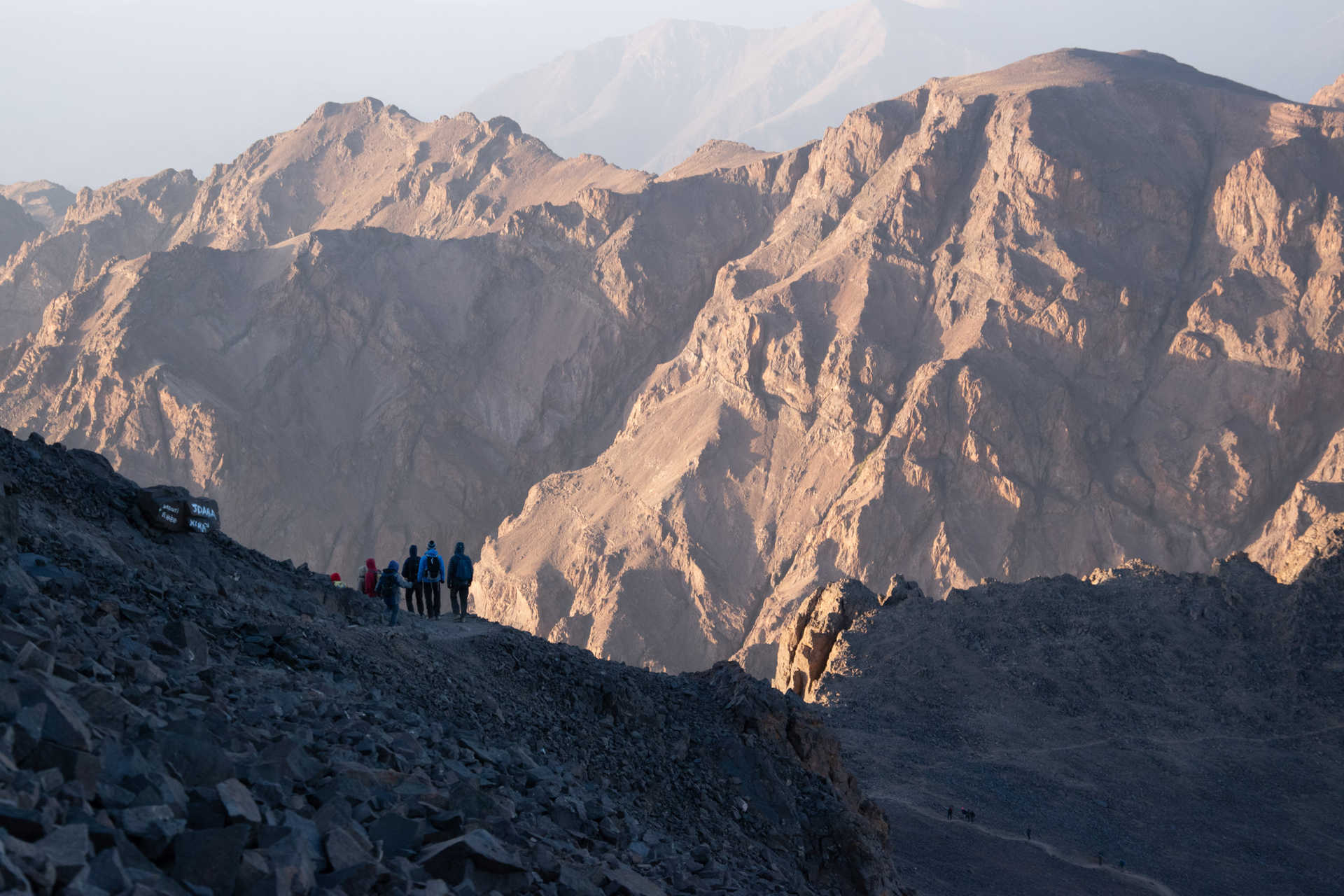
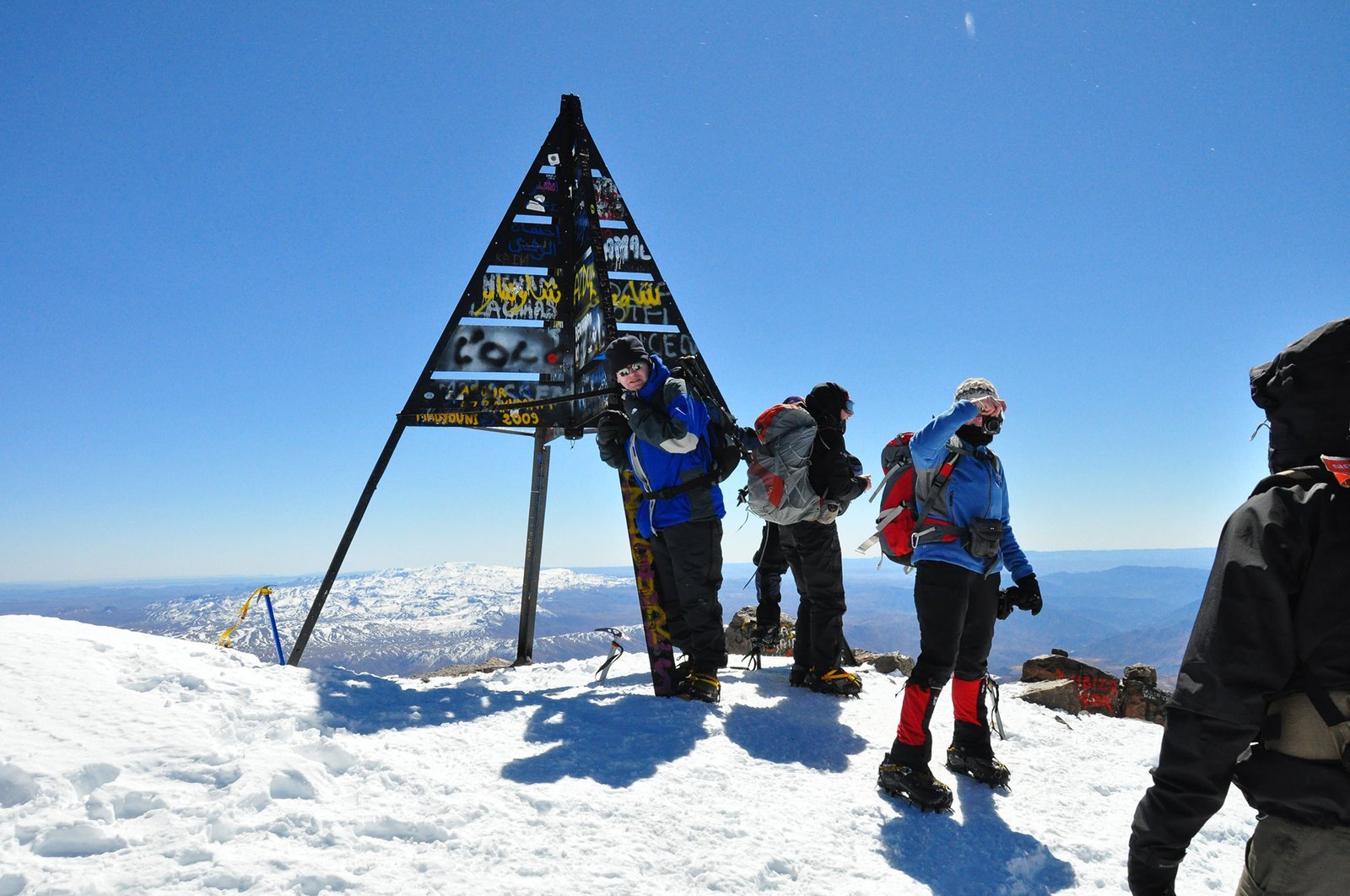
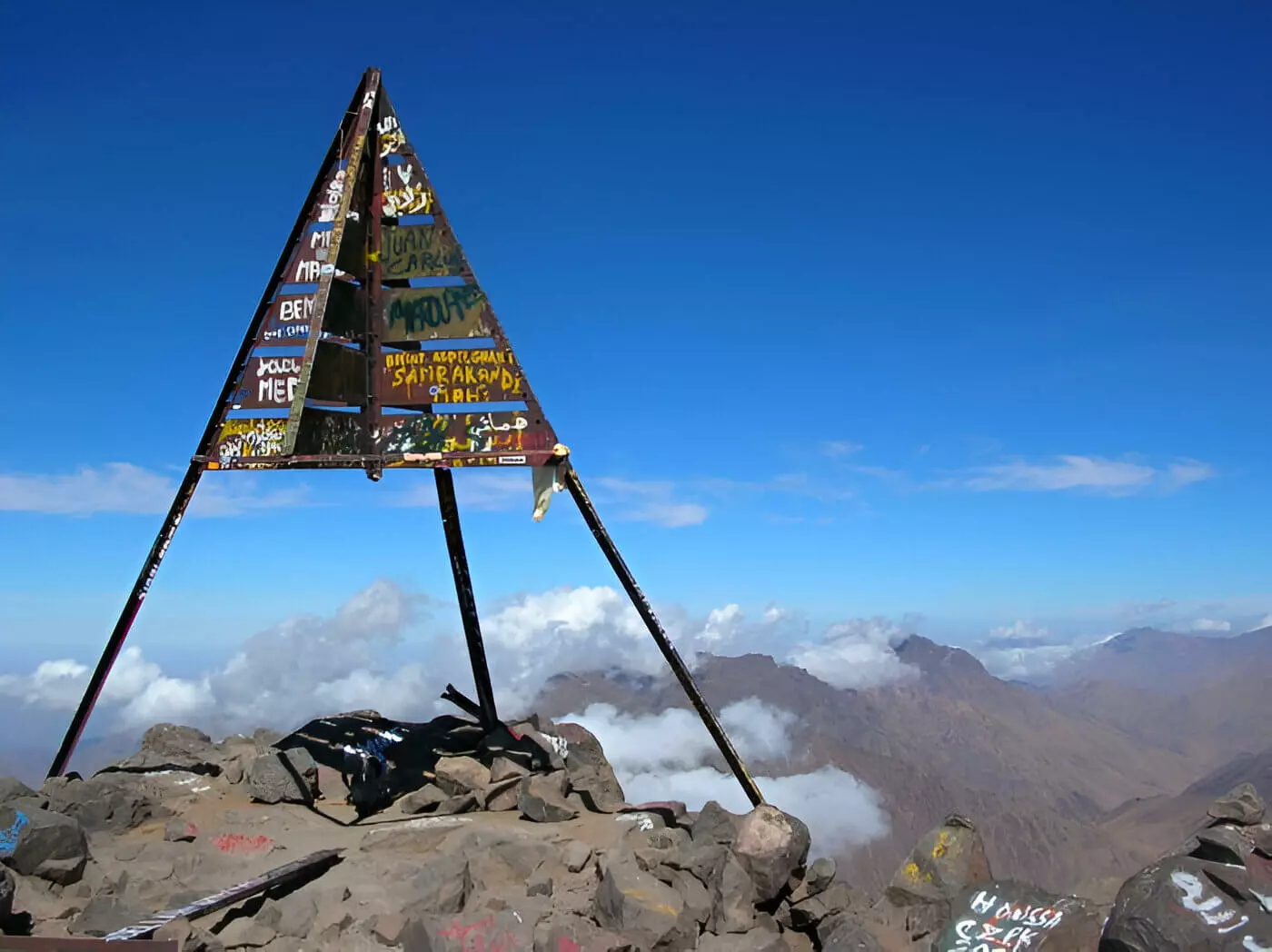
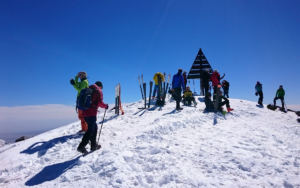
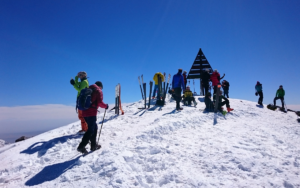
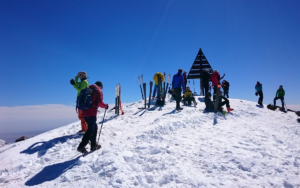
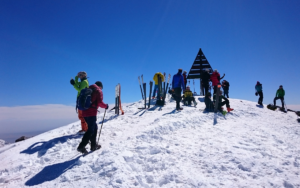
In this 4 days Morocco trek, the climb might be steady for hours, and the scenery becomes more inspiring as the trees thin and ground turns rocky. Here the mountains are blunt and beautiful, with wide views that make small worries feel smaller. On the pass, wind can arrive suddenly, and the world expands in every direction, with ridges layered like waves, valleys cut deep, villages so far below they seem like scattered stones. This is the moment many hikers remember most clearly, not because it’s the easiest, but because it feels like standing on the edge of a map.
The descent from a pass changes everything again. The light shifts, air warms, and body feels the difference between climbing and letting gravity help. On the way down, this 4 days Morocco trek is the opportunity for you to pass shepherds with goats, children walking home, or women carrying bundles with the balanced strength of people who have spent a lifetime moving through this terrain. Hospitality in Morocco is not a performance, but often a practical kindness.
A cup of tea may appear at a doorway, offered with a smile and a few words, even if you don’t share much language. That tea, sweet and hot, becomes part of the trek’s rhythm, a pause that is as important as the walking itself. By day three, this 4 days Morocco trek begins to deepen. Your legs may be sore, but your mind has adjusted to the simplicity of moving forward. You stop thinking in hours and start doing in landmarks, with the bend in the river, line of poplars, village with the bright blue door. This is a day where the smaller details become vivid.
This 4 days Morocco trek allows you to notice how the stone walls are built without mortar, how the terraces are shaped to catch every possible drop of water, how the scent of thyme or wild herbs rises when the sun hits the ground. If the route includes a quieter valley or a less-traveled path, day three often feels intimate, as if Morocco is letting you see something private. Nights can be spent in another guesthouse or sometimes in a campsite, depending on the trek. Under the stars, you can feel how far you are from the city, not just in distance but tempo.
Day four of this 4 days Morocco trek carries a particular kind of emotion, which is the satisfaction of completion mixed with the reluctance to leave. The final stretch of walking is usually gentler, guiding you toward a road where a vehicle can meet you. Along the way, the trek offers its last scenes, with morning smoke rising from chimneys, the soft clatter of breakfast dishes, sound of water in a channel, a distant call echoing between slopes. When the walk ends and you step back into the world of engines and paved roads, it can feel strangely loud.
If you return to Marrakesh or another city, the contrast is immediate. The streets are busy, colors brighter, scents stronger, and your body carries the quiet of the mountains like a secret. A 4 days Morocco trek is not just a physical route through valleys and passes, but a shift in attention. It teaches you to measure distance by effort and reward, to accept discomfort as part of the beauty, and appreciate how much a simple meal and a safe place to sleep can mean. It also offers a different view of Morocco, one that lives beyond the famous squares and monuments.
In the mountains and rural paths, you encounter a country shaped by work, weather, and tradition, where daily life is closely tied to the land. When you finish, you may remember the great views, but you will also remember the smaller things, such as the taste of bread torn by hand, warmth of tea against cold fingers, the sound of your own footsteps becoming steady, and feeling that four days of walking made the world both larger and more understandable.